Location
LehighAcres, FL
 4.9
4.9
 (797)
Reviews
(797)
Reviews
Location
LehighAcres, FL
Email Us
info@lehighacresbathremodeling.com4.9/5  797 Users Rating
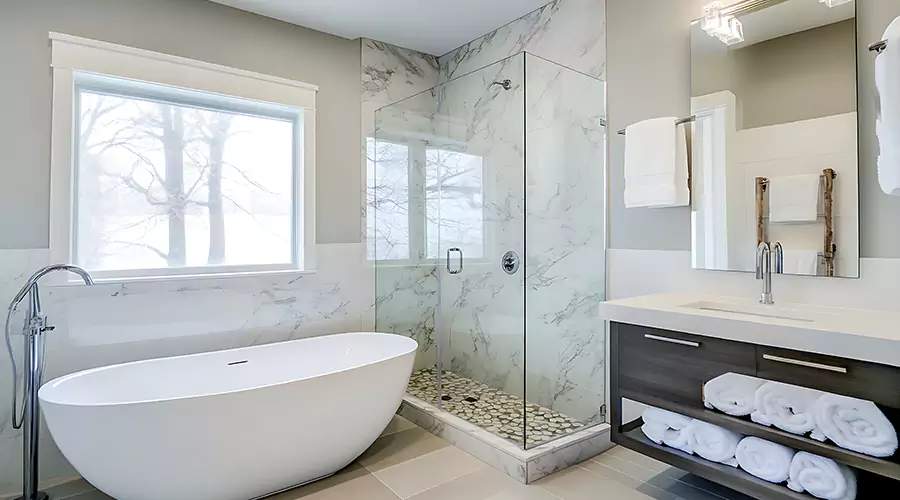
However, the thought of the final price tag often stops homeowners in their tracks. The good news is that a beautiful, functional bathroom does not require a luxury spa budget. With smart planning, strategic choices about where to save and where to invest, and a willingness to roll up your sleeves for the right tasks, you can achieve a stunning transformation without draining your savings account.
This guide is designed to help you navigate the financial side of a bathroom renovation. We will break down realistic costs, highlight the most effective ways to cut expenses, and provide a clear roadmap for getting the most value out of every dollar you spend.
Before you start picking out tile and fixtures, you need a clear understanding of what a bathroom remodel actually costs in today's market. The final price depends heavily on the size of the bathroom and the scope of the work, especially when it comes to plumbing remodel. It is crucial to set realistic expectations to avoid "sticker shock" and to plan for the unexpected.
In 2026, the average cost for a small bathroom remodel (typically around 40 square feet or a 5x8 layout) is approximately $6,500 for a mid-range project. However, the overall cost range is broad, spanning from a few thousand dollars for cosmetic refreshes to over $15,000 for a full gut renovation. For a more comprehensive renovation of a larger full guest bathroom, you should anticipate a budget in the range of $18,000 to $35,000.
A helpful way to understand where your money is going is to consider the "Golden Ratio" for bathroom budgets, which is 50/40/10: approximately 50 percent of your budget will be allocated to specialized labor, 40 percent to materials, and the remaining 10 percent should be reserved for permits and a contingency fund for unforeseen issues.
Here is a quick guide to the typical cost range for a small bathroom (up to 50 square feet):
| Scope of Remodel | Estimated Cost Range | What's Included |
|---|---|---|
| Budget Refresh | $2,000 – $6,000 | Cosmetic updates only: paint, new hardware, new light fixture, maybe a new toilet or faucet. |
| Mid-Range Remodel | $6,000 – $15,000 | New vanity, tile flooring, updated tub/shower surround, new fixtures, and possibly a new toilet. |
| Full Gut Renovation | $15,000 – $30,000+ | Complete demolition, moving plumbing, new subfloor, custom tile work, and high-end fixtures. |
You do not have to be a professional contractor to save a significant amount of money. Smart budgeting is often more about the decisions you make before construction begins than about finding the cheapest materials. The following strategies are proven to protect your bottom line.
This is the single most impactful way to save money on a bathroom remodel. Relocating a toilet, sink, or shower drain requires a licensed plumber to re-route pipes, which is both time-consuming and expensive. For example, simply moving a toilet flange can add $2,500 or more to your project cost. As long as your current layout is functional, work within its existing footprint to avoid a huge increase in your plumbing bill.
Before you decide to rip out and replace your bathtub, vanity, or tile, consider whether a refresh could achieve a similar look for a fraction of the cost. Many elements in a bathroom can be restored rather than replaced.
Reglaze the Tub: If your bathtub is structurally sound but has a worn or stained surface, professional reglazing can make it look brand new for a few hundred dollars instead of the thousands required for a new tub and installation.
Paint the Vanity: A sturdy vanity cabinet can be completely transformed with a coat of paint and new hardware. Sand the existing finish, apply a high-adhesion primer, and finish with a durable paint formulated for cabinets. This project costs less than $100 and has a major impact on the room's aesthetic.
Paint the Walls: Never underestimate the power of a fresh coat of paint. Choosing a new color can instantly modernize a dated bathroom for the cost of a gallon or two of high-quality, moisture-resistant paint.
You can achieve a high-end look without the high-end price tag by being strategic about your material choices. There are many durable and stylish alternatives to luxury materials on the market today.
Flooring: Luxury vinyl plank (LVP) and laminate flooring are excellent budget-friendly alternatives to ceramic tile or natural stone. They are waterproof, durable, and often easier to install, saving on both material and labor costs. In many cases, they can even be installed directly over your old floor, eliminating demolition and disposal fees.
Countertops: Instead of expensive marble or granite, consider a high-quality laminate or solid-surface countertop. Modern laminate options offer remarkably realistic stone and wood looks and are highly resistant to moisture and stains.
Wall Surrounds: For shower and tub walls, consider using PVC or acrylic panels instead of custom tile. Panels are significantly cheaper in terms of both materials and labor, and they are completely waterproof and low-maintenance. They are an especially smart choice for guest bathrooms or rental properties.
You do not have to commit to one material for the entire room. A smart design strategy is to splurge on high-impact, highly visible areas while saving on the rest. This creates a custom look while adhering to a strict budget.
Tile the Wet Zone: Use beautiful, more expensive tile inside the shower and on the bathroom floor where it will be seen and appreciated every day.
Panel the Walls: For the remaining walls outside the shower, use less expensive and easier-to-install PVC panels or simply paint. This mixed approach balances durability in high-moisture areas with cost savings on large wall surfaces.
One of the biggest decisions in a budget remodel is determining which tasks you can handle yourself and which are best left to the professionals. Labor typically accounts for 40 to 65 percent of a total remodeling budget, so DIY work can result in significant savings. However, a costly mistake can quickly wipe out those savings and then some.
| DIY-Friendly Projects (Save Here) | Professional-Only Projects (Splurge Here) |
|---|---|
| Painting walls and ceilings | Plumbing work: Moving drains or supply lines |
| Updating cabinet hardware and faucets | Electrical work: Running new wiring or circuits |
| Replacing light fixtures (like-for-like) | Waterproofing a shower pan |
| Installing a new toilet or faucet | Tiling a shower or wet area |
| Adding shelving or a new mirror | Changing the floor plan or removing walls |
| Performing demolition (with caution) | Installing a new bathtub or shower base |
The "why" behind this division is simple: mistakes in areas involving water and electricity can lead to catastrophic and expensive damage. Improperly waterproofed showers can cause mold, rot, and structural issues, while faulty electrical work in a wet environment is a serious safety hazard.
While the focus of a budget remodel is saving money, there are a few areas where investing a little more upfront is a wise financial decision that will pay off over time.
High-Quality Fixtures: Invest in a durable, name-brand faucet and showerhead.
A Powerful Exhaust Fan: Spending a bit more protects against mold and mildew.
Durable Flooring: If tiling, choose durable porcelain tile for long-term performance.
Remodeling a bathroom on a budget is entirely achievable with a clear plan and a strategic approach. By keeping your plumbing in place, exploring cost-effective materials, and knowing which projects you can confidently DIY, you can create a beautiful and functional space that meets your needs and respects your financial limits.
Ultimately, a mid-range bathroom renovation is a solid investment, offering a return on investment (ROI) of approximately 70 to 74 percent.
If you are ready to start planning your budget-friendly bathroom remodel, our team is here to help.
09
Apr, 2026
How to Remodel a Bathroom on a Budget Without Sacrificing Style
Plan a budget-friendly bathroom remodel with smart design choices that maintain style, improve function, and reduce costs without compromising quality.